Kick-off meeting of the project “Eco Patrols – Boost its Green Goals” held in Athens
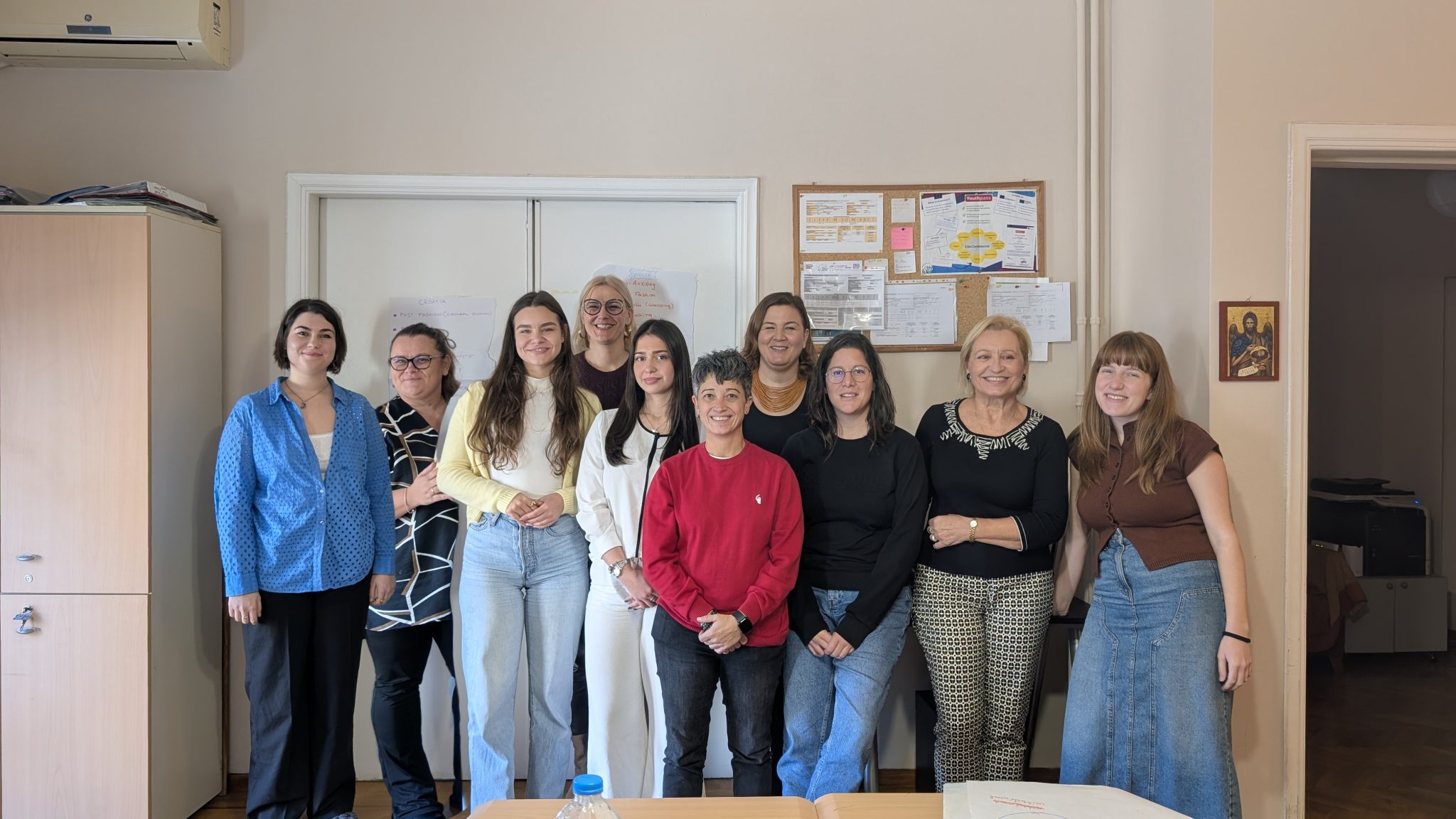
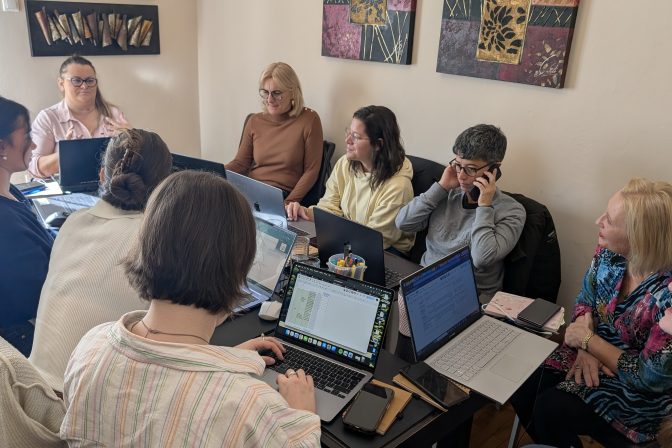
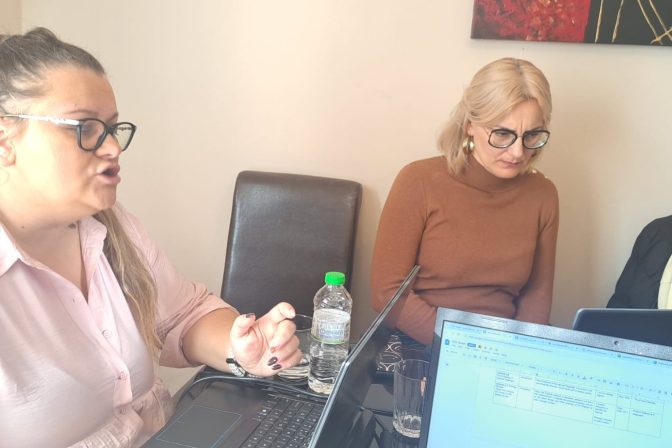
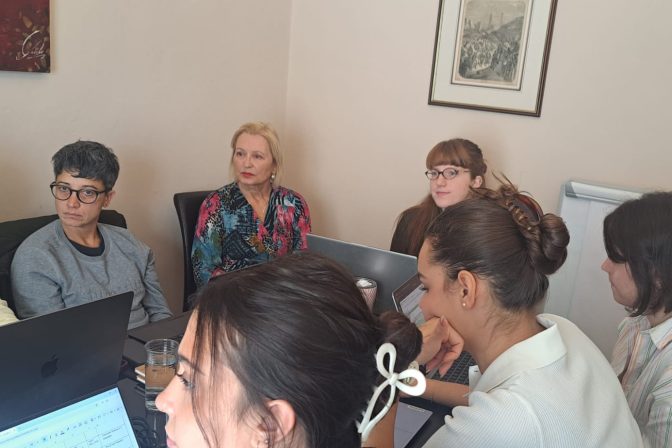
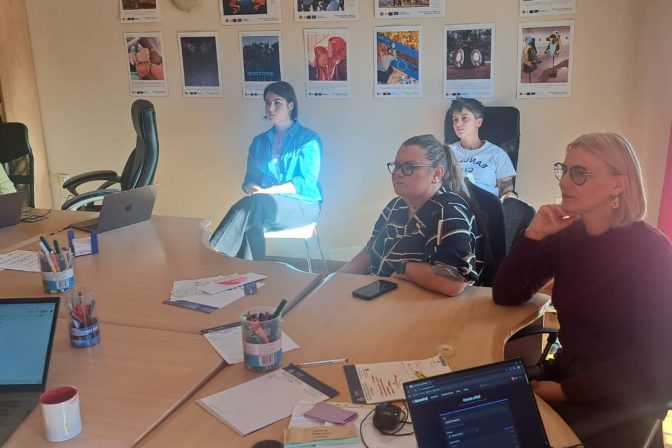
Last week, from 27 to 30 November, the kick-off meeting of the project “Eco Patrols – Boost Its Green Goals” was held in Athens. This is a two-year project aimed at informal education of young people aged 14 to 18 on current environmental issues. The education will be implemented through a pilot program in five countries, in which 20 young people will participate according to a methodology specially developed through an eight-module manual. In addition to the creation and printing of the new manual, the existing mobile game will also be improved, the aim of which is to bring ecological issues closer to young people in a digital way that is close to them.
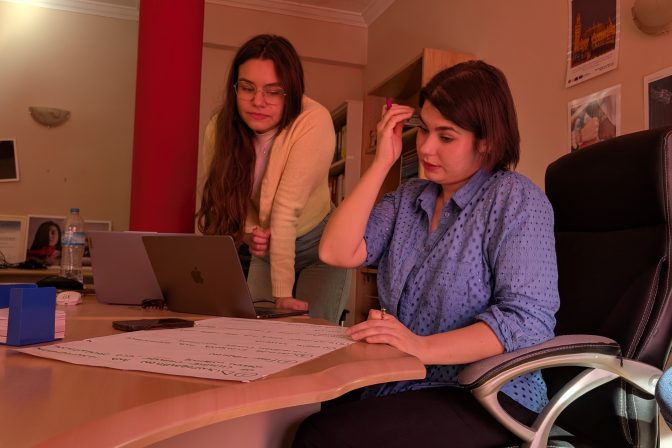
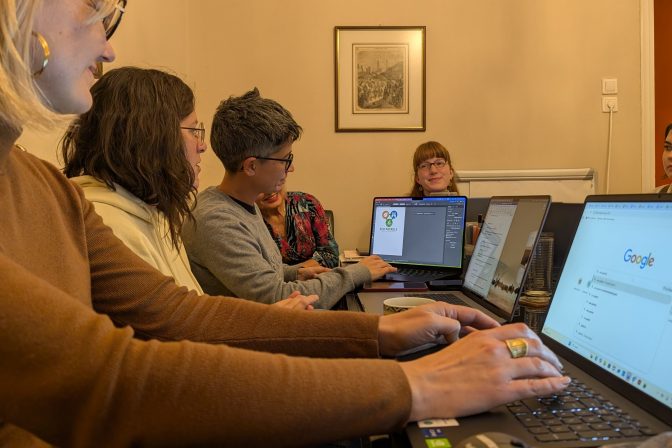
In addition to our association as the project leader, the meeting was attended by two representatives of each of the partner organizations: Kreator Kumanovo from North Macedonia, Eko Greece from Greece, GEYC from Romania and Brújula Intercultural from Spain. During the two-day work, the project activities, financial and organizational aspects, the content of the upcoming manual, the development of a new online platform and the improvement of the educational game were elaborated in detail – all with the aim of empowering young people to understand and actively act in the field of environmental protection.
This project is a continuation of a previous initiative that was concluded a year ago, which also promoted informal education about ecology among young people. Thanks to very successful results, the “eco patrol” method was expanded to three new countries. Thus, the local initiative launched on Murter turned into an international story that today connects a total of eight countries – Hungary, Serbia, Italy and North Macedonia in the first project and Spain, Greece and Romania in its continuation.
We look forward to further cooperation and all the positive changes that we will jointly encourage among young people across Europe.
*The project is funded by the European Union through the Erasmus+ program. The views and opinions expressed are those of the authors and do not necessarily reflect the official views of the European Union or the National Agency; neither the European Union nor the Agency can be held responsible for them.